
Invisible mending reconstructs damaged fabric with such precision that repairs become undetectable to the untrained eye. A moth hole appears in your favorite wool suit. Instead of discarding it, a skilled artisan can make it disappear. Around 75% of garment repairs today address moth damage. Repair over replacement saves up to 3,800 liters of water per wool suit.
We’ll explore what invisible mending is and how the invisible mending stitch recreates original weave patterns. You’ll find out why invisible darning takes approximately six hours for a single cigarette-sized hole. You’ll learn common problems this invisible repair technique solves, including invisible mending moth holes, and how to do invisible mending yourself or find professional services.
What Is Invisible Mending and How Does It Work?
The Simple Definition of Invisible Mending
Invisible mending re-weaves yarn into fabric to patch holes and damage naturally. The technique, also called French reweaving, rebuilds the garment’s structure thread by thread using a long needle. This approach recreates the exact original weave pattern rather than covering the damaged area.
Artisans harvest threads from hidden parts of the same garment, typically from hems or internal seam allowances. This will give perfect color and texture matching. The process reconstructs both directional thread systems of the fabric without tacking the new yarns into place, because tacking can deform the material.
Understanding Warp and Weft in Fabric Repair
Warp threads run vertically in woven fabric. They’re held stationary under tension on a loom during manufacturing. Weft threads (also called woof) run horizontally and pass over and under the warp threads to create the fabric structure.
Both warp and weft may be broken when damage occurs. The mender first weaves in the horizontal weft threads, then adds the vertical warp threads to reconstruct the fabric. The weaving starts at the top edge of the hole rather than the center and ensures threads meet up correctly on either side. Threads extend slightly beyond the damaged area and are staggered to hide bulk.
Why It’s Called ‘Invisible’ Repair
The finished repair becomes undetectable on the fabric’s right side. But on the reverse side, long hanging threads mark where the weaving occurred. These hanging threads result from the no-tacking approach, which prevents fabric distortion that darning work might cause.
The repair isn’t always entirely invisible. You might see the needle’s entry and exit points on superfine fabrics. Threads taken from unexposed areas may differ slightly in color from the damaged section due to UV exposure differences. The repair becomes virtually impossible to detect on heavier weaves or patterned cloth, though.
The Difference Between Invisible Mending and Regular Darning
Darning fills holes by recreating fabric structure with a new matrix of threads. Darning wants general coverage and flexibility rather than exact weave replication.
Invisible mending reconstructs the precise original weave pattern and matches every thread placement. The technique only works for woven fabrics, making it perfect for suits. Darning can address both knitted and woven materials. Regular darning may leave the repaired area looking thicker or slightly lumpy. Reweaving produces results that are virtually impossible to locate when done correctly.
Common Problems Invisible Mending Can Fix
Invisible Mending Moth Holes in Wool Suits
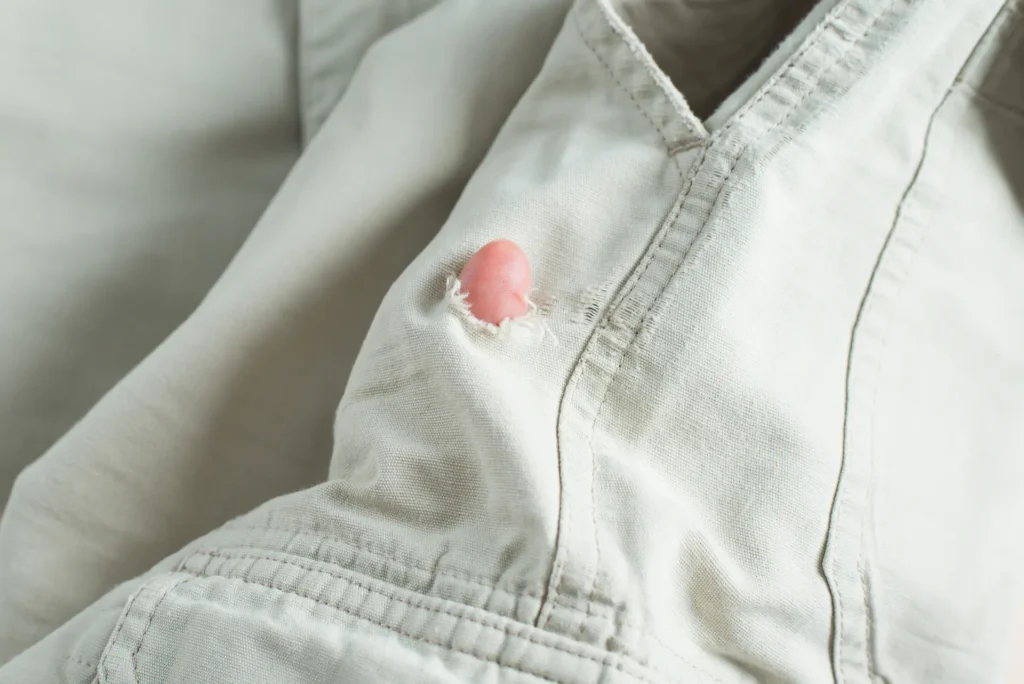
Moth damage appears in natural fibers like wool and cashmere most frequently. The larvae feed on keratin protein found in these materials. If you spot one moth hole, expect to find others nearby. Dry cleaning reveals smaller holes that weren’t visible at first. Moth holes in wool garments respond well to invisible repair because the technique recreates the weave pattern thread by thread.
Repairing Cigarette Burns and Snags
Cigarette burns create charred, damaged fabric that requires trimming before repair begins. A cigarette-sized hole costs from £90 to repair. Burns present unique challenges because the surrounding fabric often has ash staining. Snags occur when fabric catches on rough edges or sharp objects. Rather than cutting the snag (which creates a hole), the invisible mending stitch pulls the caught thread back through to the fabric’s reverse side.
Fixing Tears in Bespoke Garments
Bespoke suits warrant the time and expense of invisible repair. Customers bring in their grandfather’s Savile Row suits from the 1950s, and after dry cleaning and invisible mending moth holes, the garments look brand new. The technique works on woven fabrics exclusively and is perfect for tailored suits. Skilled artisans repair damages ranging from tiny moth holes to larger tears. Repairs become impossible to detect on heavier weaves like suit trousers or patterned cloth.
Restoring Vintage and Heirloom Pieces
Family heirlooms and vintage garments carry historical and cultural significance worth preserving. Invisible repair restores these pieces without altering their appearance. Small tears, moth damage, or worn spots on structured fabrics respond especially well to this technique. Investment pieces and gifts from loved ones deserve restoration that goes beyond simple repair.
The Process: How Invisible Mending Restores Your Suits
Matching Thread Color and Texture
Thread selection is the foundation of successful invisible repair. Artisans harvest replacement threads from the garment’s internal seam allowances or hems. Weft threads can be pulled from under waist facings, and warp threads from pleat edges. This harvesting will give perfect thickness and texture matching because the threads originate from the same fabric bolt.
Color matching presents unique challenges. Threads taken from unexposed areas haven’t faced UV light exposure or general wear, so they may differ in shade from the damaged section. Patterned cloth or heavier weaves make this difference unnoticeable. Superfine fabrics show more variation.
Recreating the Original Weave Pattern
The reweaving starts at the top edge of the hole rather than the center. This positioning will make threads meet up on either side of the damage correctly. Weft threads go in first during the original stage. Artisans weave these horizontal threads through half the existing fabric threads, then complete the remaining half. This two-step approach prevents lost threads and maintains proper tracking.
Warp threads follow next. The first eight warp threads serve as markers for subsequent weaving. Threads extend beyond the hole on both sides and are staggered to hide bulk from the extra material.
Using the Invisible Mending Stitch Technique
Extra long, fine needles handle the delicate work. The needle gets woven into the fabric before threading occurs. Artisans must match fancy weaves like twill, replicating each over-under pattern exactly. All thread ends get snipped off after completing the weave.
Why It Takes Hours to Complete One Repair
A small patch requires three hours to complete. The tension and thread placement of machine weaving demand precision to recreate. Each individual thread needs careful positioning to match the original fabric structure. This makes the process time-consuming.
Finding Invisible Mending Services and Learning the Craft
Where to Find Professional Invisible Mending Services
High-end dry cleaners and luxury fashion boutiques often work with specialised invisible mending professionals. Bespoke tailoring houses and garment restoration specialists are typically the most reliable sources for high-quality results.
For clients in London, Golden Tailoring & Alterations offers professional invisible mending with a focus on precision, fabric matching, and discreet restoration. As part of a broader tailoring service, this ensures repairs are handled with the same attention to detail as garment alterations.
What to Expect: Cost and Turnaround Time
A cigarette-sized hole costs from £90 to repair. Small invisible mends measuring 5-10cm range from £10-£20. Fabric type, damage size and repair complexity determine the pricing. Delicate or rare fabrics require specialized techniques and may increase expenses.
Normal turnaround time runs 7-10 days for garments taken to shops. Some services require three weeks. Express 24-hour service can sometimes be arranged at extra cost.
How to Do Invisible Mending: Simple Steps for Beginners
Remove threads from the edges of your patch fabric and leave half an inch of loose threads on each side. Line your patch up with the fabric underneath. Catch one thread of the patch in the loop of thread on the needle. Weave your needle under and over a couple threads next to the patch, then pull to the wrong side.
Repeat this for every single thread on the patch. A small patch takes three hours.
Tools and Materials You Need to Start
You’ll need extra fabric matching the item you’re mending, needle and thread, fray stop or fusible interfacing to secure threads on the wrong side. A magnifying glass proves useful, especially one on a stand with a light. Task lighting helps. Optional tools include a needle threader and thimble.
Scissors capable of cutting through denim work fine. Straight pins secure the patch before stitching. Beeswax helps thread slide through thick layers with ease.
When to Choose Professional Services Over DIY
Professional services suit large tears, delicate materials like vicuña, complex reweaving and leather repair. Expensive or sentimentally priceless garments warrant professional attention where a flawless result matters. Professionals possess specialized expertise and equipment that ensure high-quality, durable results.
DIY repair works best for smaller holes and simple patches. Practice on less valuable items before attempting repairs on cherished pieces. DIY offers creative freedom if you want visible mending where personal expression plays a role.
Conclusion

Invisible mending without doubt offers the most refined solution to preserve your investment suits and heirloom garments. The process requires time and skill, but the undetectable results justify the expense. Choose professional services to preserve valuable pieces where precision matters most. You can develop this skill yourself with practice if you want simpler repairs. Whether you opt for expert artisans or tackle repairs personally, this green technique extends your wardrobe’s lifespan and honors the craftsmanship of quality garments.
Contact us
📞 Phone: 07944 601228, call to book or ask questions.
✉️ Email: info@goldentailoring.co.uk
📍 Address: Second Floor, 59 Brewer Street, London W1F 9UN (Get direction)
Shop Hours: Mon–Sat 10:00–6:30; (Closed Sun)
Restore your garments seamlessly.
Book your appointment today and experience expert invisible mending trusted across Soho. Your clothing deserves precision restoration.